



Table Of Contents
What Is Hook and Loop Tape (Velcro)?
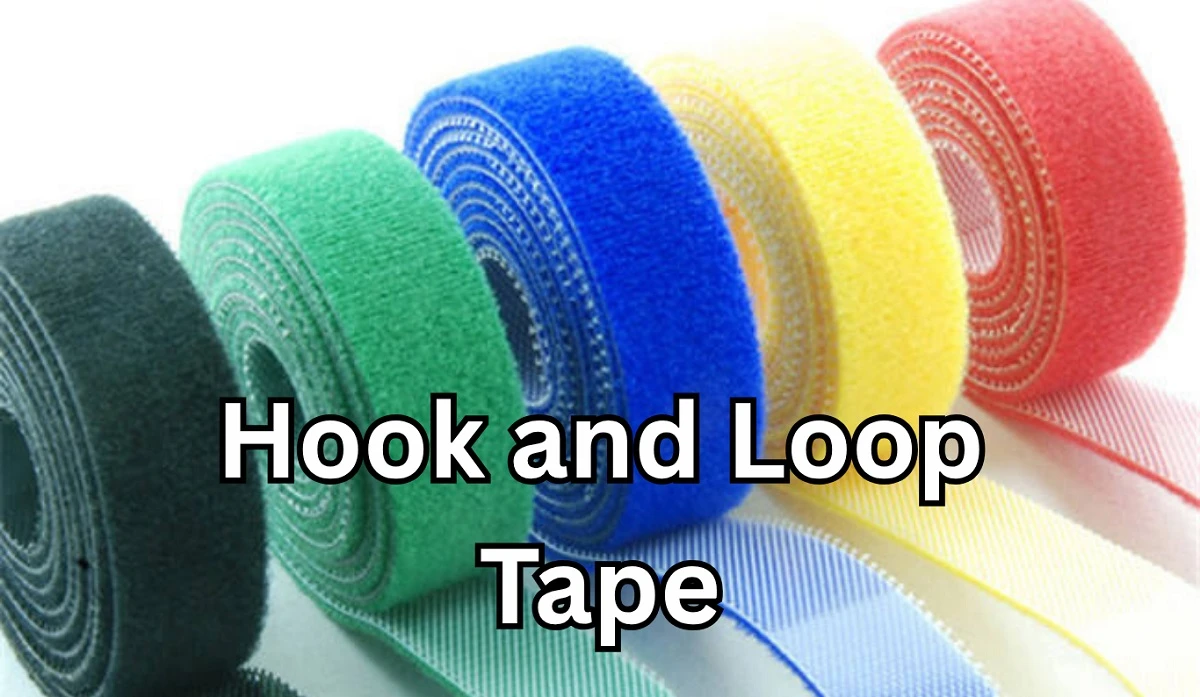
Hook and loop tape is a versatile, reusable fastening system with two sides. One with tiny, stiff hooks and the other with soft loops, which interlock when pressed together to create a strong bond and can be easily pulled apart. It's made from nylon/polyester.
Hook and loop tape is popularly known by the brand name VELCRO®. It is one of those small inventions that quietly revolutionized how we fasten things. From sneakers to space suits, this humble fastener has found its way into nearly every corner of modern life. In simple terms, it’s a two-part system: one side has tiny hooks, and the other has soft loops. When pressed together, they create a secure bond that’s easy to peel apart. Efficient, reusable, and lightweight. Velcro has truly “hooked” the world since the mid-20th century.
Types of Hook and Loop Tape
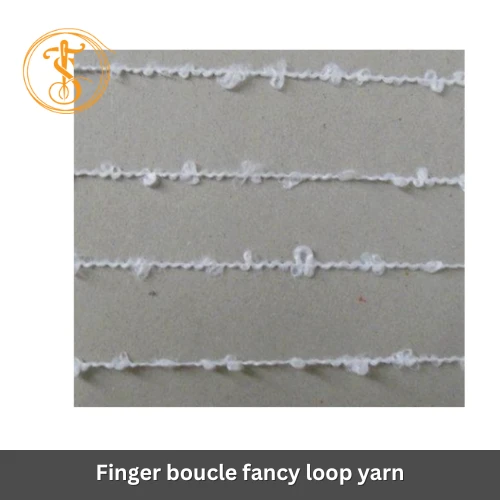
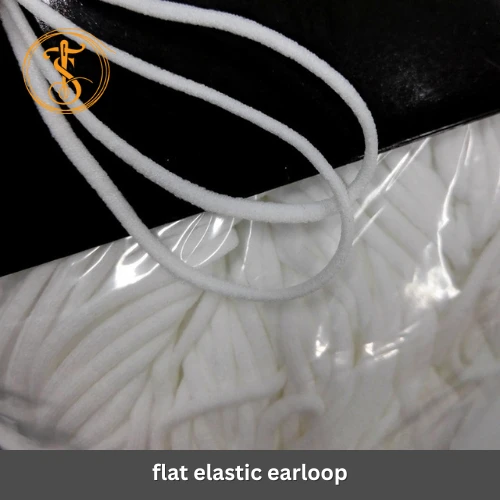
1. Sew-On Hook and Loop
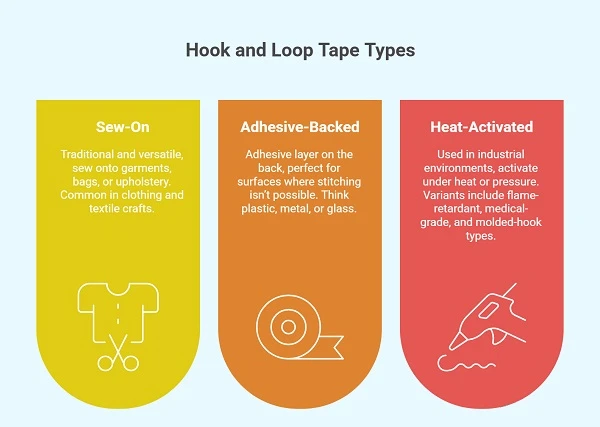
Traditional and versatile. You can sew it onto garments, bags, or upholstery. Common in clothing and textile crafts. Example: Hook and Eye Fastener.
2. Adhesive-Backed Hook and Loop
This type features an adhesive layer on the back, perfect for surfaces where stitching isn’t possible—think plastic, metal, or glass.
3. Heat-Activated and Specialty Types
Used in industrial environments, these fasteners activate under heat or pressure. Variants include flame-retardant, medical-grade, and molded-hook types that enhance performance and longevity.
History of Hook and Loop Fasteners
An Accidental Discovery
In 1941, a Swiss engineer named George de Mestral went for a walk in the Alps. When he returned, he noticed burrs stuck to his dog’s fur. Curious, he examined them under a microscope and saw the tiny hooks that allowed them to cling to fabric. This sparked an idea that would later lead to one of the most practical fastening systems ever created.
The Birth of “Velcro”
By the 1950s, de Mestral developed a nylon-based version of this natural hook-and-loop concept. The name Velcro is derived from a blend of two French words. Velours (meaning "velvet") and crochet (meaning "hook").
Fun fact is NASA later adopted Velcro for astronauts’ suits, helping the technology soar into space.
Structure of Hook and Loop Tape
The Hook Side
The hook side, also called the “male” side, consists of stiff nylon or polyester hooks. There can be thousands of these tiny hooks per square inch—about 400 to 700 hooks, depending on the type.
The Loop Side
The loop side, known as the “female” side, is made of soft, fuzzy loops that catch the hooks. The more loops per inch, the stronger the closure.
How the Mechanism Works
When both sides are pressed together, the hooks latch into the loops, creating a tight bond. Pulling them apart bends or breaks the connection. The strength of the closure depends on hook shape, loop density, and the material type. A typical 1-inch strip can support up to 1.2–1.5 kilograms of load—impressive for such a simple concept.
Technical Construction and Materials Used
Hook and loop tapes are mostly made from nylon, polyester, or polypropylene. Nylon offers flexibility and durability, while polyester provides water resistance, making it ideal for outdoor applications. Some high-temperature variants use Kevlar or Nomex, especially for aerospace and military purposes.
Applications of Hook and Loop Tape
In Apparel and Garments
From jackets and uniforms to children’s shoes and cuffs, hook-and-loop fasteners replace traditional buttons and zippers for quick closure. Around 35% of garment accessories worldwide use some form of Velcro system.
In Footwear and Accessories
Ever worn sneakers with Velcro straps? That’s where comfort meets convenience. It’s also used in wristbands, belts, and watch straps.
In Medical and Sports Equipment
Adjustable blood pressure cuffs, braces, and sports pads all rely on hook and loop closures for firm yet flexible fastening. Studies show that over 60% of orthopedic devices use Velcro-based attachments.
In Industrial and Aerospace Use
NASA, Airbus, and Boeing still use specialized hook and loop systems to secure tools in zero gravity. They withstand temperatures up to 200°C, proving their resilience under extreme conditions.
In Home and Office Solutions
From cable organizers to wall-mounted strips, Velcro helps maintain order. It’s also popular in curtains, cushion covers, and DIY projects.
Advantages and Limitations of Hook and Loop Tape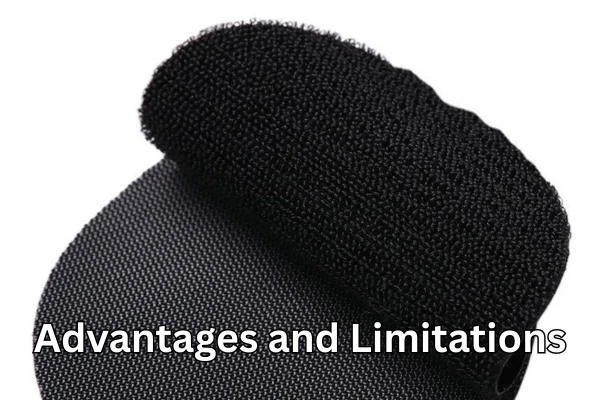
Key Benefits
- Reusable: Can be opened and closed over 10,000 times.
- Lightweight: Doesn’t add bulk or weight.
- Adjustable: Allows micro-level fitting adjustments.
- Cost-Effective: More affordable than magnetic or snap fasteners.
Common Challenges
- Lint Build-Up: Loops can trap dust and fibers.
- Noise Factor: The peeling sound can be loud (you know that sound!).
- Wear Over Time: After excessive use, hooks may deform, reducing grip strength.
Maintenance and Care Tips
To extend the life of your Velcro, keep it clean. Use a fine-tooth comb or tweezers to remove trapped lint. Wash items with the fastener closed to prevent it from clinging to other fabrics. Avoid high heat in dryers—it can melt nylon hooks.
Conclusion
Hook and loop tape, or Velcro, is one of those clever inventions that quietly make daily life easier. Whether it’s holding a shoe strap, securing medical gear, or keeping astronauts tethered, it proves that small ideas can have massive impact. Next time you hear that satisfying rip sound, you’ll know there’s a bit of science.
FAQs
1. What materials are used in making hook and loop tape?
Most tapes are made from nylon, polyester, or polypropylene, depending on strength and environmental needs.
2. How long does hook and loop tape last?
It can last up to 10,000 fastening cycles if properly maintained.
3. Can hook and loop tape be washed?
Yes, but it’s best to close it before washing to avoid attracting lint and threads.
4. What’s the difference between Velcro and hook and loop?
Velcro is a brand name, while “hook and loop” describes the general fastening technology.
5. Is hook and loop tape eco-friendly?
Traditional nylon types aren’t biodegradable, but newer versions use recycled materials and plant-based polymers.


Comments - 00
Leave A Reply
Thanks for choosing to leave a comment.