




Table Of Contents
- You buy fabric. You read labels. Labels show numbers. Those numbers matter. They tell you how a fabric feels, how it lasts, and where it fits best. Thread count and denier both give useful facts. They measure different things. This article will explain both. It will give clear rules. It will show real numbers. You will leave with practical steps. No fluff. A little humor. Because textile talk can sound dry. I promise to keep it human.
- What is Thread Count?
- What is Denier?
- Thread Count vs Denier
- Applications
- Short cheat sheet and examples
- Conclusion
- FAQs
You buy fabric. You read labels. Labels show numbers. Those numbers matter. They tell you how a fabric feels, how it lasts, and where it fits best. Thread count and denier both give useful facts. They measure different things. This article will explain both. It will give clear rules. It will show real numbers. You will leave with practical steps. No fluff. A little humor. Because textile talk can sound dry. I promise to keep it human.
What is Thread Count?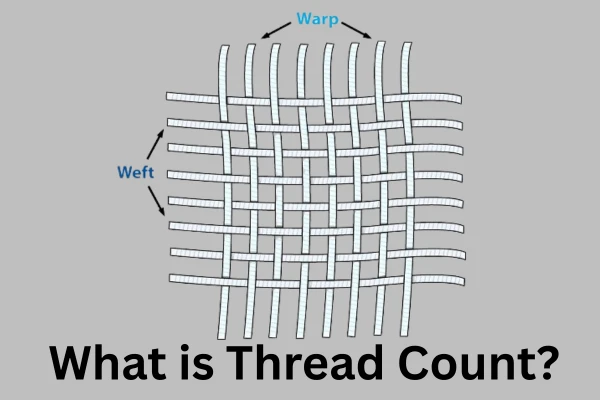
How does thread count work?
Thread count equals the number of threads per square inch of woven fabric. Count the warp threads in one inch. Count the weft threads in the same inch. Add the two numbers. That sum gives the thread count.



For example, 150 warp + 150 weft = 300 thread count. Thread count shows fabric density in a weave. It does not measure fiber thickness or yarn weight.
Common thread count ranges
- 100–200: coarse or inexpensive sheets. Firms use this for utility textiles.
- 200–400: standard range for good-quality percale sheets and many shirts.
- 400–800: marketed as high-end. Some cotton sateen and premium blends sit here.
- 800: marketing territory. Many such claims rely on multi-ply yarns.
Misconceptions and pitfalls
Manufacturers sometimes count ply rather than unique threads. Two-ply thread may add to the thread count while fiber fineness stays the same. That practice inflates numbers. Also, fiber type affects the feel more than raw thread count. Example: 300-count Egyptian long-staple cotton can feel better than 800-count short-staple cotton. Do not let a single number sell you.
What is Denier?
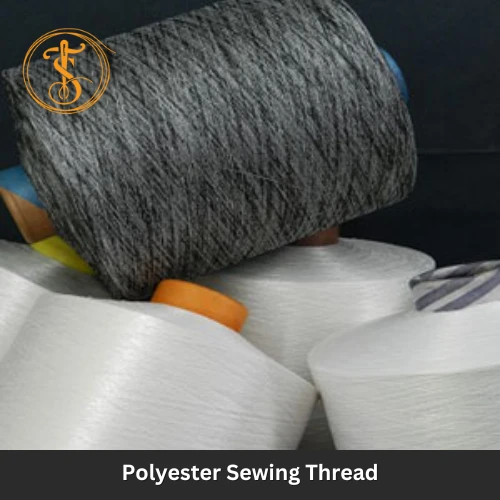
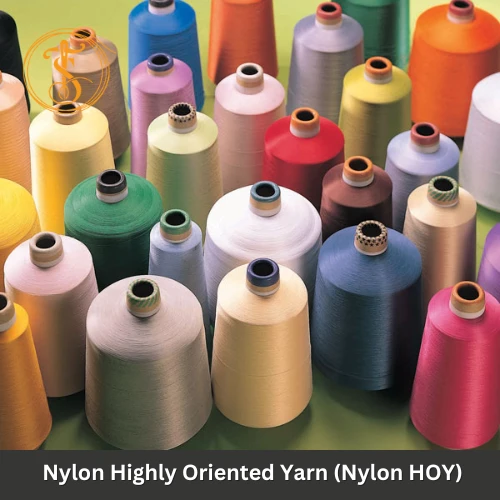
Denier measures yarn linear density. It equals grams per 9,000 meters of yarn. A yarn with 1 denier weighs 1 gram per 9,000 meters. Denier gives a direct measure of yarn thickness. Lower denier means finer yarn. Higher denier means thicker yarn.
Denier ranges
- 0.5–3 denier: ultrafine filament. Silk filament often sits near 1–3 denier per filament.
- 10–30 denier: fine apparel yarn. Hosiery and sheer fabrics often use 10–30 denier.
- 30–100 denier: general apparel and lining. Many dresses and blouses use this range.
- 100–400 denier: medium weight. Outerwear linings, some backpacks, and light canvas.
- 400–1200+ denier: heavy duty. Ropes, heavy bags, ballistic fabrics, and industrial yarns.
Denier vs tex: quick conversion
Tex equals grams per 1,000 meters. The relation: denier = tex × 9.
Example: 18 denier equals 2 tex (because 18 ÷ 9 = 2). Keep that formula handy when you read technical specs.
Thread Count vs Denier
What each measure tells you
- Thread count tells you fabric density in the weave. It gives insight on surface smoothness and breathability for woven fabrics such as sheets and shirts.
- Denier tells you the yarn thickness. It shows tensile strength and opacity for filament yarns and spun yarns. It fits better for knitted fabrics and technical textiles.
They answer different questions. Thread count answers “how dense is the weave?” Denier answers, “how thick is each yarn?”
When thread count matters
Choose thread count for sheets, shirting, and other woven surface textiles. Use it when comfort, breathability, and hand feel matter. For bed linen, look at thread count plus fiber type. For dress shirts, check the thread count and yarn ply.
When denier matters
Choose denier for hosiery, swimsuits, backpacks, ropes, and upholstery yarns. Denier predicts durability and opacity. For sheer tights, aim for 10–30 denier. For work bags, aim for 600–1000 denier.
Applications
Bedding and home textiles
- Choose 200–400 thread count for good balance of breath and durability.
- Prefer long-staple cotton or linen fibers. Fiber length matters more than thread count alone.
- For sateen, expect a smoother hand at the same count. For percale, expect a crisper hand.
Apparel: hosiery, outerwear, sportswear
- Hosiery: pick 10–40 denier for appearance and comfort. Lower number yields sheer look.
- Sportswear: prefer finer denier yarns with technical finishes to manage moisture and stretch. Check the yarn twist and knit structure too.
- Outerwear: Use 200–1000 denier for durability and abrasion resistance.
Technical textiles, ropes, and industrial yarns
- For ropes and webbing, choose high-denier yarn or bundles of filament. Tensile strength correlates with denier and yarn construction.
- For filtration or geotextiles, check both yarn linear density and fabric porosity specifications.
Short cheat sheet and examples
- Thread count = weave density. Use for sheets and shirts.
- Denier = yarn thickness. Use for hosiery, bags, ropes.
- Conversion: tex = denier ÷ 9.
- Rule of thumb: never trust thread count alone. Always pair with fiber type and ply.
- Example choices:
- Bed sheet for daily use: 300 thread count cotton long-staple.
- Sheer tights: 15 denier nylon.
- Durable backpack: 600 denier polyester or nylon.
Conclusion
Thread count and denier serve two separate jobs. Thread count tells you how tight a weave sits. Denier tells you how thick each yarn stands. Numbers help. Fiber type, yarn construction, and finishing matter more than one figure. Read labels. Compare fiber, ply, and fabric type. Use the cheat sheet above. Then choose what fits your product and budget. Textile choice can feel like rocket science. It is not. It just asks for a few smart checks.
FAQs
1. Which number matters more for bed sheets: thread count or denier?
Thread count matters more. Denier does not apply to woven sheet yarns in the same way. Focus on thread count, fiber type, and ply.
2. Can two fabrics share the same thread count but feel different?
Yes. Fiber length, yarn twist, and weave type cause major differences even at the same thread count.
3. Does a higher denier always mean a stronger fabric?
Higher denier gives a thicker yarn and usually more strength. Yarn construction and fiber type also change strength significantly.
4. How do I compare denier to tex on a spec sheet?
Use the formula: tex = denier ÷ 9. Example: 90 denier equals 10 tex.
5. Is a 1000+ thread count sheet better than a 400-count sheet?
Not automatically. Fabric quality, fiber staple length, and ply matter. A well-made 400-count long-staple cotton sheet can outperform a 1000-count short-staple sheet.

Comments - 00
Leave A Reply
Thanks for choosing to leave a comment.